
politics

technology

sports

health

other

Why Enterprises Are Bypassing Global Cloud Giants In Favor of Indian Cloud Provider, CloudPe

CloudPe


Mumbai (Maharashtra) [India] : India’s cloud computing market is on the rise, and the decision to choose a Cloud platform has become more complicated than ever before. While the leading global providers, AWS, Microsoft Azure, and Google Cloud, continue to expand with new infrastructure investments every year, a significant number of Indian enterprises are going a different way, one that offers data sovereignty, cost transparency, and guaranteed performance.

CloudPe, an OpenStack-based cloud in India, is one of the platforms that is turning the Indian market on its head. Rather than retrofitting global Cloud solutions to local problems, this Indian cloud platform is specifically developed for local markets from the ground up.

The Scenario of the India Cloud Computing Market in 2025

To give a sense of the market size, one can look at the table below. The numbers may vary slightly depending on the source, but remain consistent when looking at market size at year-over-year growth in cloud services across India:

Research Firm

2024/2025 Market Size

Projected 2030-2034

Growth Rate

Market Research Future

$11.69B (2025)

$48.81B (2034)

17.2%CAGR

IMARC GROUP

$29.50B (2024)

$232.78B (2033)

25.8% CAGR

Mordor Intelligence

$21.82B (2025)

$58.73B (2030)

21.9% CAGR

Cost is not the only factor fueling this growth.

Digital India initiatives, the rapid adoption of AI, and the harsh practical reality that cloud is the only way to offer business agility that on-premise infrastructure can no longer support.

The Regulatory Headwinds

This is what makes the regulatory environment so interesting when it comes to cloud adoption in India.

The Drive for Data Sovereignty

India’s Digital Personal Data Protection Act of 2023 steered clear of a wholly local approach; instead, it created a “blacklist” approach. This implies the data can be moved to any destination outside of India unless the destination country has been blacklisted by the Government.

The Catalyst:

In November 2024, the announcement that came as a surprise was from the Reserve Bank of India – its own cloud platform. When the central bank of a country goes out on a limb like this, with a public announcement that it is creating its own infrastructure, the hyperscalers cannot just shrug it off. There is more than compliance at play; this is the recognition of strategic autonomy.

CloudPe’s approach obviates all these issues:

  • Tier 4 data center India facilities in Mumbai and Navi Mumbai, where all the data remains

  • No cross-border data transfers

  • Complete audit trail with specific Indian addresses

  • Physics still applies, but consistently faster performance for Indian users

When it comes to cloud for regulated industries in India, like banks, healthcare, or government service providers, the local nature of this solution means that managing separate compliance requirements for each jurisdiction becomes easier. Audit trails have a clear physical location for data assets.

Performance Architecture of CloudPe OpenStack Cloud

CloudPe’s performance architecture is built around a foundation of modern, high-performance hardware. This includes latest-gen processors, with options for GPU acceleration and bare metal access for ultimate performance.

The outcome is predictable and verifiable performance. CloudPe has a high-performance architecture and the testing to prove it.

A CloudPe vs AWS comparison on the Geekbench multi-core test scored 42.23% higher for CloudPe, and the CloudPe vs Azure score was 45.04% higher. This makes CloudPe the best Indian alternative to AWS and Azure for businesses where raw computing power is essential.

Storage IOPS are predictable too, as the storage used is based on NVMe cloud storage India technology with NVMe drives and triple replication.

Networking is no different, as it has been architectured to offer true tenant isolation with VLANs and VXLAN support as opposed to purely software isolation.

CloudPe offers 20 Gbps multi-homed connectivity through leading Indian connectivity providers Tata, Jio, and Airtel, with automatic failover for redundancy.

Key facts:

  • Latest generation processors – AMD EPYC and Intel Xeon CPUs

  • High-performance storage – NVMe SSDs delivering 40,000+ IOPS

  • Network reliability – 99.95% uptime SLA with Tier IV infrastructure

  • True isolation – Dedicated resources prevent noisy neighbor problems

A Hybrid Cloud Strategy That Works For Your Business

A successful hybrid cloud strategy for your business focuses on optimizing workload placement. It’s about finding the right balance of security, performance, compliance, and cost, and running each application in the best place for it, while also making the entire infrastructure a single, cohesive ecosystem where workloads can be shifted as your business evolves.

The key to this strategy is operational consistency via a common management plane and open standards for APIs to avoid vendor lock-in. An open foundation is required to easily integrate and manage it, while robust networking securely links different environments into a unified architecture.

CloudPe provides an enterprise platform that offers just this solution. With an OpenStack foundation, CloudPe offers standardized APIs to eliminate vendor lock-in and advanced networking controls to enable secure cloud hosting with data localisation.

Additionally, a cloud with a predictable pricing model with no egress fee cloud structure gives your business the ability to strategically place workloads where performance and cost are best (based on your requirements), without losing control.

Cloud for AI Workloads in India: Processing Local Data

India’s Healthcare and Life Sciences industries are among the fastest growing, with a 29.2% CAGR, with significant contributions coming from telemedicine and AI-based diagnosis tools. These represent an acknowledgement at the enterprise level that AI is a capability that is now considered essential rather than experimental.

CloudPe’s NVIDIA H100 GPU instances are perfect for customers who want to run their production AI workloads on dedicated hardware that is provisioned with full access to the 80GB HBM3 memory per GPU, as opposed to shared access to a GPU or spot instances that can be reclaimed at any time. This allocation of dedicated instances makes it easy to train LLMs and run real-time inference workloads with high-performance computing in cloud computing capabilities.

Processing local data also has a significant advantage for organizations operating in highly regulated industries. For example, healthcare systems can train diagnostic models on data without having to worry about sending data outside the country, and financial services firms can build fraud detection models based on local data.

Some AI use cases for the platform are:

  • Medical imaging

  • Natural language processing

  • Computer vision

  • Financial modeling

Implementation and Support Through a Local Partner Ecosystem

For successful implementations and ongoing/long-term management, CloudPe partners with an extended ecosystem of trusted local system integrators (SI) and managed service providers (MSP). This enables your business to select a local expert who will understand your unique needs and provide you with a tailored, designed, and deployed solution.

With this model, your business gets the best of both worlds: the local hands-on experience of a trusted IT partner and the solid, enterprise-class infrastructure from the CloudPe platform. Your partner is responsible for managing your services and giving you direct support. The CloudPe engineering team takes care of everything else in the background, including provisioning and managing your cloud and providing 24/7 technical support.

Why Choose an Indian Cloud Provider Like CloudPe for Your Business?

Here are the biggest factors that businesses in India consider while choosing a cloud partner.

  • Cloud benefits vs Data Sovereignty: As Indian organisations continue to use cloud services at an exponential pace, certain complexities like data sovereignty and compliance are raised. Enterprises are then forced to either stop certain initiatives or move their workloads back to on-premises, resulting in excessive cloud spend.

  • Cost predictability without surprise billing: The unpredictability of monthly cloud bills from hyperscalers forces enterprises to avoid necessary experimentation and can also risk capital allocation.

  • Performance consistency with the least resource contention: Delivering consistent performance to customers is key for most businesses. Shared cloud infrastructure where multiple customer workloads run alongside results in the least resource contention and optimal performance for customers.

  • Vendor independence to avoid cloud lock-in: Platform lock-in or cloud lock-in is the inability to easily transition services to other cloud vendors, and is a growing concern with hyperscalers whose services are delivered through proprietary software and their specific APIs that are based on open standards.

If your organisation values control over critical infrastructure, better alignment with the regulator, and needs to quickly adapt to any future business needs, CloudPe might be the right choice for you.

While hyperscalers continue to have a place in the marketplace, for businesses where the flexibility to choose the best solution matters for business continuity and your competitive edge, it makes perfect sense to have the cloud option open as you move forward.
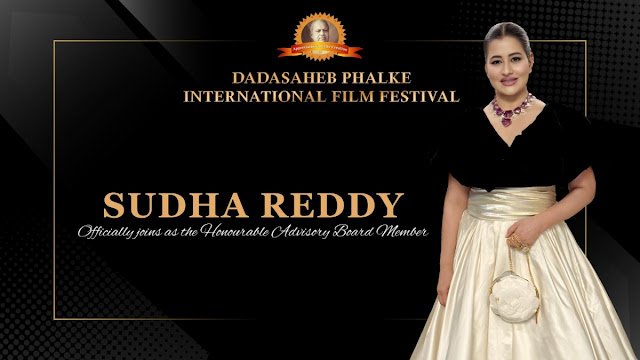


New Delhi [India] :  The Dadasaheb Phalke International Film Festival (DPIFF), recognised as India’s most esteemed film festival and award ceremony, proudly announces the appointment of leading business luminary, cultural ambassador and global philanthropist Sudha Reddy to its Advisory Board. Her inclusion adds to an illustrious group of advisors such as Col. P. C. Sood – Vice President, Hinduja Group, H.H. Radhikaraje Gaekwad – Maharani of Baroda, Dattaraj Salgaocar – Chairman, V. M. Salgaocar Corporation, Manish Malhotra – Indian Fashion Designer, Shiamak Davar – Indian Choreographer, Girija Phalke Marathe – great-granddaughter of Dadasaheb Phalke, Bhavna Merchant – Esteemed Cultural Expert & Former Censor Board Jury into Ministry of Information & Broadcasting, Mayank Shroff – Head of Film Programming & Distribution, Cinépolis India and Jyoti Badheka – Creative Producer & Former Censor Board Jury into Ministry of Information & Broadcasting, Government of India, reflecting a synthesis of heritage, leadership, cultural stewardship and humanitarian vision that aligns with DPIFF’s mission to showcase Indian art, culture, and cinema on the global stage.

Anchored in the legacy of Dadasaheb Phalke Ji, the Father of Indian Cinema, DPIFF has emerged as a beacon of cultural prestige, consistently honouring artists, filmmakers, and industry leaders while reinforcing India’s stature as a global hub for cinematic excellence.

Sudha Reddy currently serves as the director of Megha Engineering & Infrastructures Limited (MEIL), a leading infrastructure conglomerate in Hyderabad. Under her leadership, MEIL has not only thrived in various sectors but has also prioritised corporate social responsibility, fostering community development and wellness programs. She chairs the Sudha Reddy Foundation, which focuses on education, empowerment of marginalised groups, and has partnered with organisations like UNICEF and the Global Gift Foundation, besides hosting The Pink Power Run. She is also noted for her appearances at prestigious events such as the Met Gala, White House Correspondents Dinner, Global Gift Gala, Paris Olympics and Cannes Film Festival. In recent appointments, she made history as Miss World’s first-ever Global Ambassador, besides being inducted as UNICEF’s Goodwill Ambassador.

Upon her appointment, Sudha Reddy expressed, “I am deeply honoured to join the Advisory Board of DPIFF. Indian cinema serves as a remarkable canvas for our culture, creativity, and storytelling heritage. I am eager to contribute to the festival’s mission of celebrating filmmakers and bringing their extraordinary works to audiences both in India and abroad.”

Welcoming her to the Advisory Board, Abhishek Mishra, CEO, DPIFF, stated, “We are thrilled to welcome Sudha Reddy. Her extensive experience in philanthropy, education, women’s empowerment, and cultural initiatives, along with her global engagements, will significantly enhance DPIFF’s ongoing efforts to promote Indian cinema and culture across national and international platforms.”

Over the years, DPIFF has successfully showcased over 15 esteemed states of India, promoting the Incredible India campaign under the Ministry of Tourism and supporting the Pradhanmantri Sangrahalaya under the Ministry of Culture. The addition of Sudha Reddy represents a pivotal chapter in the festival’s trajectory, amplifying its global influence and reinforcing India’s cultural identity.

Recently, the festival made headlines with the announcement of the next iteration of the Dadasaheb Phalke International Film Festival Awards 2025, scheduled for October 29th and 30th in Mumbai. This landmark edition promises curated screenings of top short films, engaging masterclasses with industry veterans, panel discussions on the future of cinema, and cultural showcases celebrating India’s rich storytelling traditions. With Sudha Reddy’s participation on the Advisory Board, DPIFF is well-positioned to further elevate its global presence and advance its mission of recognising and promoting India’s cinematic brilliance.


New Delhi [India] : India has become a sought-after destination for affordable and effective fertility treatments, including in-vitro fertilization (IVF). Prospective parents from around the globe are drawn to the country due to its advanced medical infrastructure, experienced fertility specialists, and competitive pricing. If you’re looking for an IVF center in India, understanding the costs, success rates, and available options can help you make an informed decision tailored to your needs.

Understanding IVF and How It Works

IVF, or in-vitro fertilization, is a form of assisted reproductive technology (ART) where an egg and sperm are combined outside the body in a laboratory setting. Once fertilization occurs, the resulting embryo is transferred to the uterus with the goal of achieving a successful pregnancy. This procedure is often recommended for couples experiencing infertility issues, including ovulation disorders, fallopian tube damage, low sperm count, or unexplained infertility.

The IVF process typically involves several stages, including ovarian stimulation, egg retrieval, fertilization, embryo transfer, and the follow-up phase to confirm pregnancy. While the treatment process is consistent worldwide, the associated costs often vary, due to factors such as location, hospital infrastructure, and the expertise of medical professionals.

IVF Costs in India

One of the significant advantages of opting for IVF treatment in India is its affordability when compared to other countries. The cost of IVF in India typically ranges between 1,00,000 and 2,50,000 per cycle ($1,200 to $3,000 approximately). However, this price range can vary depending on a variety of factors, such as the city, the clinic’s reputation, and any additional procedures or medications required.

For couples seeking treatment, it is essential to review the breakdown of IVF expenses. The total cost usually includes consultation fees, diagnostic tests, medications for ovarian stimulation, the retrieval process, fertilization, and embryo implantation. Some clinics may also provide comprehensive packages to cover these aspects, ensuring transparency in pricing.

IVF Cost in Major Indian Cities

The cost of IVF treatment can fluctuate based on the location, as metropolitan cities usually have more advanced facilities but also higher expenses. Here’s an overview of IVF costs in some Indian cities:

  • Mumbai: 1,50,000 – 3,50,000

  • Delhi: 1,20,000 – 3,00,000

  • Bangalore: 1,00,000 – 2,50,000

  • Chennai: 1,20,000 – 2,80,000

  • Hyderabad: 1,00,000 – 2,40,000

  • Kolkata: 90,000 – 2,30,000

  • Jaipur :  80,000 – 1,50,000

These variations are influenced by the clinic’s facilities, the expertise of fertility specialists, and available technology. Evaluating the success rates of a clinic and consulting other patients’ experiences can help streamline your decision when selecting the best IVF center in any Indian city.

Factors Influencing IVF Costs

The affordability of IVF treatment does not mean compromising on quality, but patients should be aware of the factors influencing costs. These include:

  1. Type of Procedure: Some patients may need additional advanced procedures, such as Intracytoplasmic Sperm Injection (ICSI) or Preimplantation Genetic Testing (PGT), which can increase the overall expense.

  2. Medications: Hormonal drugs for ovarian stimulation vary in pricing based on brand and dosage required, contributing to treatment costs.

  3. Number of Cycles: Success may not always happen in the first cycle, and multiple cycles might be necessary, adding to the total cost.

  4. Clinic Reputation and Expertise: Clinics with highly experienced doctors and state-of-the-art facilities may charge premium prices for their services.

  5. Technology and Resources: Access to advanced equipment and embryology labs improves treatment precision and success rates, often influencing costs.

Affordable IVF Options in India

India offers numerous IVF centers that succeed in combining affordability with cutting-edge technology. Clinics often present patients with tailored packages to meet specific medical and financial requirements. For those who need financial assistance, some clinics also collaborate with banks or financial institutions to provide easy installment options, making treatment more accessible.

Patients looking for affordable IVF treatment in India should research and compare options to find a center that aligns with their expectations for care and budget. Some renowned clinics include attempts to minimize financial strain while maintaining personalized care and high success rates.

IVF Success Rates in India

The success rate of IVF treatment in India ranges between 40% and 60%, depending on various factors such as the patient’s age, the quality of eggs and sperm, and the expertise of the fertility team. Younger patients, typically below the age of 35, often experience higher chances of success due to better egg and sperm viability. Clinics equipped with the latest technology and skilled specialists can further improve your chances of a positive outcome.

It’s vital to remember that success rates also depend on individual circumstances, and discussing these variables with a specialist will provide clarity before proceeding with treatment.

Choosing the Best IVF Center in India

Finding the right IVF center is pivotal for a successful treatment experience. While costs are an important factor, evaluating the clinic’s quality of care, patient reviews, and success stories should also guide your decision.

Key Considerations:

  • Check the credentials and experience of the fertility specialists.

  • Investigate the clinic’s infrastructure and technological advancements.

  • Compare pricing transparency and additional service options offered.

  • Look at patient testimonials and success rate data specific to the clinic.

Final Thoughts

Looking for the best IVF center in Jaipur provides a beacon of hope for countless couples and individuals facing infertility challenges. With competitive costs, world-class technology, and a compassionate medical approach, patients can access top-notch care tailored to their financial and emotional needs. By understanding the factors affecting treatment prices and carefully choosing a reliable clinic, you can take a confident step forward in your fertility journey.

Whether you’re planning treatment in a bustling metropolitan hub or a quieter city, the available options for IVF treatment in India reflect a combination of affordability and quality that continues to attract patients globally.

Disclaimer: This press release is for general information purposes only and should not be construed as professional medical advice. Always consult a doctor before taking any step.


Pune (Maharashtra) [India] : Pune, YASHADA Campus: The much-awaited literary festival “Bhasha & Beyond 3.0,” organized on the 4th and 5th of October by the Literary Warriors Group (LWG), unfolded in all its grandeur in Maharashtra’s cultural capital, Pune. The two-day celebration turned into a vibrant confluence of art, literature, and culture—an exquisite testimony to the timeless power of creative expression.

 The Legacy of LWG

Founded in 2011, the Literary Warriors Group (LWG) was envisioned to keep the flame of creativity alive while providing a shared platform for writers, poets, storytellers, and artists. With its philosophy rooted in “quality over quantity,” LWG has steadily grown into a global literary family of over 2,96,000 active members. Over the years, its reach has extended beyond India’s borders, nurturing creative voices from across the world.

After successfully organizing festivals in Lucknow, Delhi, Mumbai, and CME Pune last year, this year’s Bhasha & Beyond 3.0 at YASHADA Campus, Pune, marked yet another milestone in LWG’s illustrious journey.

 Inaugural Ceremony

The festival was inaugurated in the esteemed presence of:

  • Mr. Niranjan Kumar Sudhanshu, Director General, YASHADA

  • Dr. Sujata Jadhav, Head – Libraries & Documentation Centre, NCPA

  • Mr. Sunil Deodhar, eminent writer and radio personality

Their presence set an inspiring tone for the celebration that followed, where literature and creativity intertwined seamlessly with thought and dialogue.

 Highlights of Day One

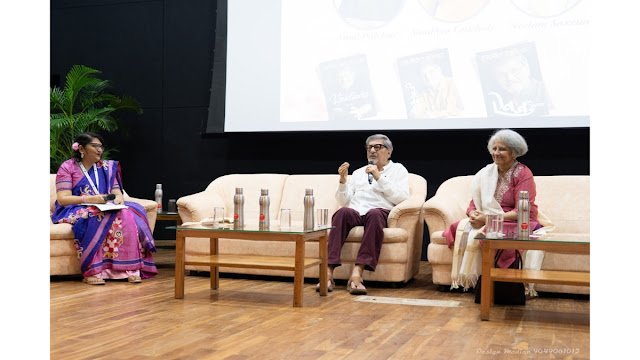
The most anticipated event of the first day was an insightful interactive session with veteran actor and director Amol Palekar and Sandhya Gokhale on their acclaimed book “Viewfinder.” The session was anchored by author Neelam Saxena, who engaged the duo in a soulful conversation about their artistic journey, cinematic experiences, and the philosophy that drives their creativity.

This dialogue was a joint initiative between Page to Stage, NCPA Mumbai, and Literary Warriors Group (LWG), made possible through the gracious support of Mr. Khushroo Suntook, Chairman, NCPA, and coordinated by Dr. Sujata Jadhav.

A panel discussion on “Enhancing Creativity through Reading” also added intellectual depth to the day. The panel featured Dr. Padmaja Iyengar-Paddy, Hema Ravi, Madhumita Bhattacharya, and Urna Bose, moderated by Dr. Koyal Biswas.

Book Launches and Author Interactions

One of the day’s major attractions was the launch of several books under the LWG banner, with the spotlight on the bilingual poetry anthology “Kacche Dhaage – Strings of Connections.” The anthology, curated by Neelam Chandra and edited by Dr. Renu Mishra and Asha Singh Gaur, beautifully embodied the spirit of linguistic and emotional connectedness.

In addition to this, the following titles were also launched, followed by engaging author interactions:

  • Meri Aankhon ka Mahtaab – Neelam Saxena

  • Anamika – Dr. Renu Mishra

  • Nirjhar Man – Dr. Aparna Pradhan

  • Fifteen Days and Seven Stories – Asha Singh Gaur

  • Baadalon ke Peeche Ek Ghar Hai – Koyal Biswas

  • Momentum – Nisha Motghare

  • Mayan Routes, Indian Roots – Vineet Kumar

The guests for this event were Dr. Sujata Jadhav, Sanjay Chandra, and Dr. Renu Mishra.

Creative Workshops

To encourage and refine literary expression, several interactive workshops were conducted during the festival:

A Haiku Writing Workshop by Srinivas Rao, which explored the essence of brevity and imagination.

“Shabd Sadhana” (Word Craft) by Hemant Deolekar, which guided participants in discovering newer dimensions of linguistic expression.

A Dance Workshop by Aparna Rao from Aamna Foundation, where participants experienced the rhythm and grace of storytelling through movement.

The evening came alive with a captivating Kathak performance by Aparna Rao and Nandita, followed by electrifying drum beats by Ojas of Project Kalakriti, which filled the auditorium with rhythm, energy, and enthusiasm.

Day Two – A Literary Feast

The second day continued the festival’s creative momentum with the launch of more literary works. The highlight was the story anthology “Curry for the Spirited Soul,” conceptualized by Neelam Saxena and edited by Nitya Shukla and Dr. Maitreyi Joshi.

Other books released included:

  •  Berang-si Duaaein – Archana Jain

  •  Luminara – Poetry that Touches the Soul – Bindu Unnikrishnan

  •  The Last Wish – Jasbir Basu

  •  Midnight Ponders – Maria Hussain

  •  Sine Geeton ka Rasasvaadan aur Alankarik Bhashik Vyanjana – Prof. Nirmala Rajpoot

  •  A Pocket Full of Limericks – Waheeda Hussain

  •  Avisha and the Kaalkoot Assassins – Siddharth Sujir

The distinguished guests for the session included Maya Jaju Maheshwari (Principal Chief Income Tax Commissioner, Mumbai), Dilip Mohapatra, Surekha Sahu, and Dr. Aparna Pradhan.

Dialogue and Reflection

A thought-provoking session titled “Drishtikon – Perspectives” was moderated by Col. Salil Jain, featuring Neelam Saxena, Hemant Deolekar, and Rahul Mahiwal (YASHADA) as speakers.

The discussion revolved around the balance between creativity and profession, and how poetry reflects one’s inner truth.

Pune’s Voice – A Special Segment

Another highlight of the day was “Pune ki Aawaaz – Khaas Aawaaz,” conducted by Dr. Sunil Deodhar, a renowned literary personality from Pune.

Poet Maddy Christy and poetess Swarangi Sane enthralled the audience with their poignant verses.

The segment was curated by Dr. Renu Mishra.

 Cultural Evening and Awards Ceremony

As twilight descended, the LWG members took the stage with soulful performances — from mesmerizing dances and meaningful plays to heartwarming musical renditions. The auditorium resonated with creativity and applause.

The festival culminated in the much-awaited “Aarambh” Award Ceremony — symbolizing not an end, but a promising new beginning. Winners of online and offline literary contests were felicitated amidst great applause.

The Chief Guests for the ceremony were Rajesh Verma (DRM), Surabhi Alpesh, and Shekhar Gaikwad (ADG, YASHADA).

Vinita Sharma was honoured with the Lifetime Achievement Award for her exceptional contribution to literature. Padmaja Iyengar-Paddy was honored with Distinguished achievement award.

 Acknowledgment and Closing

In her closing note, co-founder Dr. Renu Mishra expressed heartfelt gratitude to the organizing team for their dedication and passion.

Special appreciation was extended to Dr. Aparna Pradhan, Lt. Col. Salil Jain, Sunil Joshi, Juhi Gupte, Nitya Shukla, Waheeda Hussain, Asha Singh Gaur, Tejal Bhosle, Veena Dixit, Shweta Bhide, Priyanshu Saxena, Akshainie, Dr Koyal Biswas, Dr Maitreyee Joshi Ashu Ratra, Pooja Dhadiwal, Surekha Sahu, Anjali Bajpai, Archana Jain, Purna Parikh, Meera Bhansali, Meghna Bhakat, Dr Purnima Kulkarni, Rashmi Sabale, Nishad Bhide, Mariya Hussain and other members for their invaluable efforts.

The LWG family also extended sincere thanks to NCPA, Mumbai for its continued collaboration, which has enriched the group’s literary journey. Design Media served as the official Photography Partner.

With Bhasha & Beyond 3.0, the Literary Warriors Group not only strengthened the spirit of literary dialogue but also united art, music, and words in one harmonious celebration — a true festival of creativity, expression, and culture.


New Delhi [India] : SUPIMA, the leading name in premium American-grown cotton, in collaboration with Lakmē Fashion Week x FDCI, hosted an exclusive fireside chat titled “Naturally Luxe: Redefining Cotton in Indian Luxury Fashion.” The conversation explored the creative collaboration between SUPIMA and AFEW Rahul Mishra, uniting the voice of a global fabric innovator with a designer deeply rooted in Indian craftsmanship. The session highlighted how beauty, intention, and material-led storytelling converge to redefine cotton in the world of Indian luxury fashion.

The panel featured celebrated designer Rahul Mishra, alongside Marc Lewkowitz, President and CEO, SUPIMA, and was moderated by fashion journalist and editor Kimi Dangor. Together, they discussed how Supima’s fibre innovation is reinterpreted through the lens of Indian luxury, exploring the intersection of sustainability, craftsmanship, and design. The conversation offered insights into how natural fibres can be elevated to create modern, responsible, and highly luxurious fashion.

Marc Lewkowitz, President and CEO, SUPIMA, shares, “SUPIMA is committed to advancing innovation and sustainability in cotton. Collaborating with AFEW Rahul Mishra, a brand that honours heritage while embracing contemporary design, shows how cotton can be elevated from a basic material to one that carries creativity, craftsmanship, and timeless luxury.”

“Working with SUPIMA is more than a collaboration; it’s a shared vision. By combining their exceptional cotton with our design philosophy, we can create pieces that celebrate craft, honor heritage, and set a new standard for responsible luxury in Indian fashion,” adds Rahul Mishra.

The fireside chat underscored how global innovation and Indian craftsmanship can come together to redefine luxury in India. Through its collaboration with SUPIMA and AFEW, Rahul Mishra continues to champion material-led design, sustainable practices, and storytelling through fashion. As a continuation of this partnership, AFEW Rahul Mishra will showcase the collection in collaboration with SUPIMA at the next season of Lakmē Fashion Week x FDCI, Mumbai’26 edition, reinforcing India’s position as a leader in responsible, craft-driven, and contemporary fashion on the global stage.

For further information, log on to: House of Lakmē


New Delhi [India] : Sofy, a leading feminine hygiene brand, announces a pioneering collaboration with Lakmē Fashion Week (LFW) in partnership with the Fashion Design Council of India (FDCI).

The collaboration will elevate the conversation around period hygiene and self-expression, aligning with the brand’s core message to empower the Gen Z target audience to “embrace their true and unfiltered selves and go after their own idea of success.” This partnership is a powerful alignment of Sofy’s tagline, “Your Dreams, Your Way,” with the dynamic spirit of the fashion world, strategically engaging younger female consumers. By placing the commitment to worry-free periods directly on this high-profile platform, Sofy elevates the brand narrative beyond a conventional product focus, positioning itself as an integral ally for the modern, fast-paced life, offering top-quality feminine care products from sanitary napkins to tampons and pantyliners that support an unapologetic pursuit of success.

The partnership, spanning the five-day event from October 8th to 12th, 2025, at The Grand, New Delhi, is dedicated to bringing the brand’s “Liberated, Candid, and Spirited” personality to life through a series of exclusive on-ground and digital activations. The key focus of the collaboration is the launch of the new Sofy Nights napkin range. Period management coupled with the issue of “Period Chip-Chip” (stickiness/wetness) during nighttime is a real problem, and Sofy Antibacteria Nights aims to solve this by ensuring hygiene with its unique Herbal Shield feature.

The brand will hold an exclusive “Sofy Befikar Nights” party for the LFW models following the fashion shows. This exclusive sleepover party will help them unwind after their hectic schedule, and Sofy will help them relax with uninterrupted sleep, ensuring they are confident and “runway ready” for the next day.

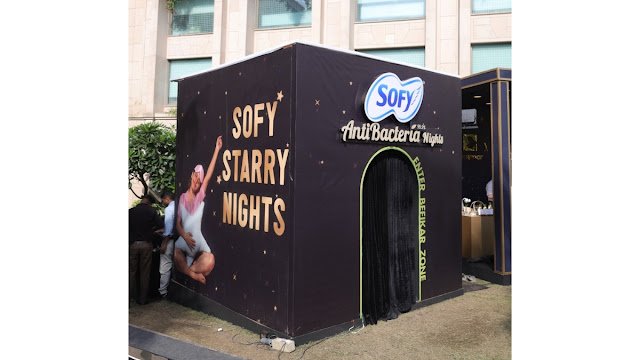
There will also be an immersive on-ground zone that simulates the experience of relaxed sleep. The “Sofy Starry Nights” zone will be a dreamy, immersive space designed to look like a serene bedroom. The zone will demonstrate how Sofy products support managing sleep quality during periods, reinforcing the benefit of ‘Sleep Befikar, Stay Hygienic.’

DVC Link: https://www.youtube.com/watch

For further information, log on to: www.Lakmē India.com 


New Delhi [India] : The Fashion Design Council of India (FDCI) continues to champion cultural exchange through its designer exchange programme with the Russian Fashion Council. As part of this ongoing initiative, FDCI is delighted to welcome Russian designer Fatima Shogenova, founder of the label Hatsibana, to showcase at the upcoming edition of Lakmē Fashion Week in partnership with FDCI. The presentation will be held on 10th October 2025 at 9:30 PM at The Grand, New Delhi.

Earlier this year, in the March 2025 season, FDCI hosted Russian designer ZAZA, whose showcase received an enthusiastic response from attendees and highlighted the success of this cultural collaboration. The October edition builds on that momentum, further strengthening ties between the Indian and Russian fashion communities.

Commenting on the initiative, Sunil Sethi, Chairman, FDCI, said: “At FDCI, we see cultural exchange as a vital part of our mission to position Indian fashion within a larger global dialogue. Our partnership with the Russian Fashion Council allows us to celebrate diversity, creativity, and mutual respect between our industries. We are excited to welcome Fatima Shogenova to New Delhi and look forward to her showcase this season.

For further information, log on to: www.Lakmē India.com


Renowned Entrepreneur and Pageant Visionary Shweta Roy Joins DPIFF Advisory Board to Champion Women’s Empowerment and Cultural Representation in Cinema


Mumbai (Maharashtra) [India] : Dadasaheb Phalke International Film Festival (DPIFF) — India’s most prestigious film festival and award ceremony- has announced the appointment of Shweta Roy, Founder and Director of SR Queens Media Pvt. Ltd., to its esteemed Advisory Board. This milestone marks a powerful confluence of empowerment, leadership, cultural stewardship, and creative vision, perfectly aligned with DPIFF’s mission to honour and elevate Indian art, culture, and cinema on the global stage.

Guided by the enduring legacy of Dadasaheb Phalke Ji, the Father of Indian Cinema, DPIFF has evolved into a benchmark of artistic excellence and national pride. The festival continues to celebrate the brilliance of Indian filmmakers, artists, and visionaries while reinforcing India’s position as a global powerhouse of cinematic innovation and storytelling.

Shweta Roy, an acclaimed entrepreneur and advocate for women’s empowerment, is the Founder and Managing Director of SR Queens Media Pvt. Ltd., a pioneering platform redefining the global pageant landscape. With her flagship initiative, Mrs. India Queen, she has built a movement that celebrates beauty with purpose— inspiring women to embrace individuality, amplify their voices, and step into leadership roles both on and off the stage. Under her visionary leadership, SR Queens Media has become synonymous with empowerment and transformation, helping women across diverse backgrounds break barriers and lead with confidence.

Beyond the world of pageantry, Shweta Roy has been instrumental in mentoring women through personal development and community leadership programmes. Her initiatives promote equality, representation, and self-empowerment — nurturing a new generation of women who are driving social change through strength, elegance, and purpose.

Expressing her gratitude for the appointment, Shweta Roy shared,

“It is truly an honour to be part of an institution that celebrates and preserves the legacy of Indian cinema’s greatest visionary. Dadasaheb Phalke International Film Festival stands as a symbol of creative excellence and artistic integrity, and I’m thrilled to contribute to its inspiring journey. Cinema has always been a powerful medium of storytelling and change, and being part of this platform is both humbling and empowering.”

Welcoming her to the Advisory Board, Abhishek MishraCEO of DPIFF, said:

“We are delighted to welcome Mrs Shweta Roy to the DPIFF Advisory Board. Her entrepreneurial spirit and commitment to women’s empowerment bring a refreshing and dynamic dimension to the festival. With her leadership at SR Queens Media Pvt. Ltd., she embodies the values of inclusivity, creativity, and social impact that are central to DPIFF’s mission of celebrating and elevating Indian cinema and culture.”

Over the years, DPIFF has showcased more than fifteen Venerated States of India, promoting the Incredible India campaign under the Ministry of Tourism and the Pradhanmantri Sangrahalaya initiative under the Ministry of Culture. The inclusion of Shweta Roy marks a defining chapter in the festival’s journey, reinforcing its dedication to empowerment, diversity, and cultural representation while strengthening its global influence.

Dadasaheb Phalke International Film Festival Awards 2025are scheduled to be held on 29th and 30th October in Mumbai, celebrating a decade of cinematic excellence. The landmark edition will feature curated short film screenings, insightful masterclasses with industry veterans, panel discussions on the future of Indian cinema, and cultural showcases highlighting the nation’s storytelling heritage.

With Shweta Roy joining its Advisory Board, DPIFF continues to uphold its mission of honouring artistic excellence, empowering communities and celebrating the global impact of Indian cinema.

Official Announcement: https://www.instagram.com/p/DQHDf7FD_WH/

Mumbai – Renowned makeup educator and celebrity artist Neha Adhvik Mahajan hosted a dazzling evening that beautifully blended two joyous occasions — her husband Adhvik Mahajan’s birthday and the festival of Diwali. The grand celebration, held at the elegant Golden Leaf Banquet in Malad West, turned into one of the most talked-about parties in Mumbai’s entertainment circuit, drawing together a host of television and film celebrities for an unforgettable night of glamour, laughter, and festive warmth.

The evening began with a star-studded red carpet where celebrities arrived in their festive best. Cameras flashed as guests posed for the paparazzi, exchanged greetings, and extended warm wishes to Neha and Adhvik. The air buzzed with excitement, perfectly setting the tone for what would be a memorable night. Neha, known for her impeccable style and warm hospitality, looked radiant as she welcomed everyone personally, ensuring the evening reflected her signature touch of grace and grandeur.

Once the guests settled in, the highlight of the evening — Adhvik’s birthday cake-cutting ceremony — took center stage. Amid cheers, music, and heartfelt wishes, the couple shared a joyful moment surrounded by close friends and family. The room was filled with laughter, applause, and the joyous spirit of togetherness. Adhvik, a beloved figure in the television industry, was visibly moved by the love and affection showered upon him.

The venue exuded festive charm, adorned with shimmering Diwali lights and elegant gold accents, creating a perfect blend of tradition and celebration. The décor captured the true essence of Diwali — joy, prosperity, and radiance — while maintaining a contemporary and sophisticated aesthetic. Guests indulged in an elaborate spread of gourmet dishes and traditional sweets, while the upbeat music kept the dance floor lively well into the night.

The guests played fun games including Tambola.  Celebrities who were seen in the party included Shraddha Arya, Niyati Fatnani, Vishal Singh, Niharika Chouksey, Debatama Saha, Megha Ray, Ashi Singh, Sana Sayyed, Eisha Singh, Shalin Bhanot, Sharad Malhotra with wife Ripci Bhatia, Megha Chakraborty, Sahil Phull, Twinkle Arora, Rashami Desai, Adrija Roy, Sooraj Thapar, Munisha Khatwani and  Akshu Mahajan.

As the evening came to a close, guests carried with them memories of a night that was equal parts glamorous and heartwarming. Neha Adhvik Mahajan’s dual celebration stood out as a perfect example of how love and festivity, when intertwined, can create moments that shine brighter than the Diwali lights themselves.

Jaipur’s vibrant nightlife pulsed with excitement on a crisp Sunday evening as the grand finale of Mr. Rajasthan 2025 Season 4 unfolded at The Trade International Hotel on Ajmer Road. Organized by A Infinity Takeovers, this state-level spectacle celebrated the grit and glamour of Rajasthan’s young men, offering a fresh platform for fashion, grooming, and personality growth in a region rich with royal heritage. For the 30 finalists—aged 18 to 35 and hailing from districts across the Desert State—it was the culmination of a grueling six-month journey that tested their mettle in ways few could imagine.

Show director Anup Choudhary, the driving force behind Rajasthan’s first and largest men’s pageant, reflected on the event’s roots during a post-finale chat. “This isn’t just a show; it’s a challenge for the royal throne,” he said, invoking the tagline that captured the essence of the competition. What began with online auditions snowballed into offline tryouts in key cities, intense interview rounds, and a final selection of these 30 standout models. Before stepping into the spotlight, participants immersed themselves in three days of transformative experiences: grooming sessions to polish their presence, talent rounds to reveal hidden skills, fitness challenges to sculpt their physiques, and self-styling exercises to own their look. Each step weeded out the ordinary, leaving only those who embodied confidence and charisma.

The finale itself was a feast for the eyes, featuring three meticulously curated fashion rounds where designer collections took center stage. Styling and makeovers were flawlessly handled by Danny’s Unisex Salon owner Danny and his team, ensuring every finalist strutted with effortless elegance. As the top contenders vied for glory, the judging panel—comprising Mr. Rajasthan 2024 winner Karan Rajpurohit and second runner-up Vasisth Gehlot—evaluated them on poise, talent, and that indefinable spark. Their discerning eyes crowned Jodhpur’s Raghuveer Bishnoi as the undisputed winner, a moment that erupted in cheers from the packed venue. Close behind were Kota’s Keyur Sharma as first runner-up, Udaipur’s Jyotendra Singh Jhala as second, Jaipur’s Pranjal Saxena as third, and Sikar’s Anurag Dhaka as fourth runner-up. Each placement acknowledged not just beauty, but the resilience forged through months of preparation.

Adding star power were chief guest Mukesh Bhakar, MLA from Ladnun, and special guest Kunji Lal Meena, IAS, whose presence lent an air of prestige to the proceedings. As confetti rained down and flashes popped, the event underscored a larger truth: in Rajasthan’s evolving cultural landscape, opportunities like Mr. Rajasthan are bridging tradition and modernity, empowering young men to claim their space with pride. For the winners and participants alike, this wasn’t merely a title— it was a launchpad into a world of endless possibilities, reminding us that true royalty is earned through sweat, style, and unyielding spirit. With Season 4 now etched in history, anticipation builds for what the next chapter of this royal challenge will bring.